This Movqila catalogue map shows how to keep Dunhill Blue 6mg Cigarettes – 1 Carton (10 Packs) and Dunhill Red 6mg Cigarettes – 1 Carton (10 Packs) separate by exact title, SKU and live URL. It is a reproducible navigation method for adult readers, not a stock list or product ranking. Current price, availability and store conditions must always be checked on the live pages.
Adults 18+ only. Tobacco and nicotine products are addictive and harmful to health. This article is neutral catalogue information, not a recommendation or health advice.
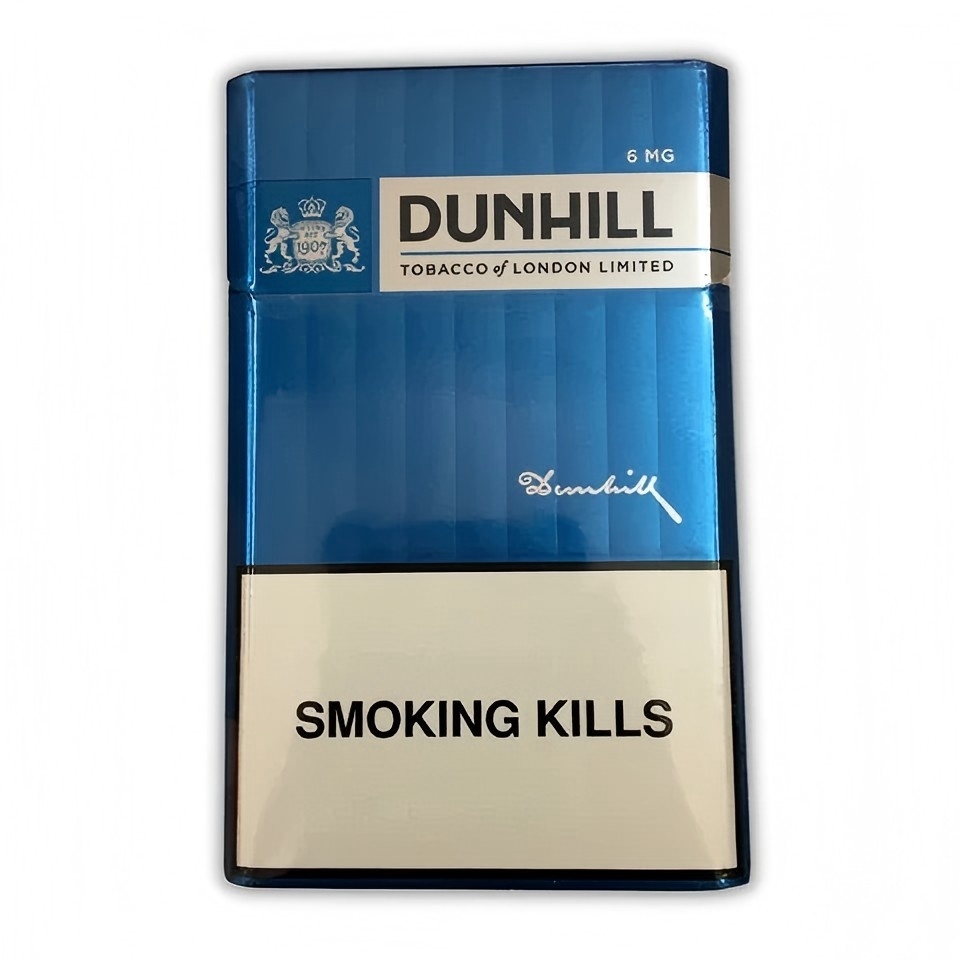
Build a small catalogue map
Begin with Dunhill Blue 6mg Cigarettes – 1 Carton (10 Packs), SKU SS-386, and Dunhill Red 6mg Cigarettes – 1 Carton (10 Packs), SKU SS-372. Record brand wording, variant wording, SKU, sale unit and canonical URL in separate columns. This makes the map useful even when two titles share several words.
Separate navigation from identification
A category or shop route helps discovery, but it does not prove that two records are interchangeable. The individual product page remains the source for the exact title and SKU. Keep the date of the check because catalogue membership and dynamic store fields may change.
Use a third record to test the method
Apply the same method to Mild MEVIUS 10mg Hard Pack – 1 Carton (10 Packs), SKU SS-370. If the map still distinguishes all three records without relying on thumbnails, the method is working. If not, return to the complete names and canonical URLs rather than inventing extra attributes.
Maintain the map responsibly
Revisit the live catalogue before quoting current price or availability. Do not infer packaging contents, sensory experience, manufacturing origin, legal status or health effects unless the live record explicitly and reliably supports the statement. The map should reduce identification errors, not turn incomplete observations into promotional claims.
Checklist for a reproducible review
- Use the current Movqila homepage and live product pages.
- Keep exact names and SKUs together.
- Date any observation about a changing field.
- Do not rely on search snippets or third-party images.
- Separate verified catalogue facts from assumptions.
Common mistakes to avoid
Do not shorten two similar titles until their SKUs become indistinguishable. Do not treat an attached image as proof of facts that are absent from the written record. Do not copy an old price or stock note into a new enquiry. Do not create health, safety, quality, authenticity, delivery or legal conclusions from a product name. Finally, do not assume that a submitted cart or message proves order acceptance or a future outcome.
What to save for a later recheck
Save the exact title, SKU, canonical URL, stated sale unit and the date reviewed. These fields let another person reproduce the same check from the live site. If a record changes later, the dated note explains what was observed without claiming that the earlier state is still current. This approach is deliberately factual and restrained.
How to compare a later version of the record
On a later visit, repeat the same sequence instead of comparing memory with the screen. Open the canonical URL, confirm the full title and SKU, note the stated sale unit, and record the new review date. If a dynamic field differs, describe only that dated difference. A changed price or availability indicator does not prove that the product identity changed, while a changed title or SKU deserves a fresh identity check. Keeping those two kinds of change separate makes the note clearer and prevents an old observation from being presented as current.
Evidence boundaries
This method uses first-party catalogue pages and site-owned media as evidence of how the store records an item. It does not establish manufacturing origin, package contents beyond the written record, sensory experience, relative quality, authenticity, legal treatment, customs outcomes or health effects. Those claims require separate authoritative evidence and should not be guessed. When the live page is silent, the accurate entry is “not verified from this record”. That wording is more useful than filling the gap with a familiar claim from another product or website.
Final review
Read the note once more before relying on it. Every product statement should be traceable to a current Movqila page, every link should stay on the same site, and every changing detail should be clearly treated as temporary. If the available record does not support a claim, leave it out and ask a narrow question instead. That is more accurate than filling gaps with plausible but unverified detail.